Best Free Things to Do in Cairns 2026: 3 Hidden Free Gems
What are the best free things to do in Cairns that aren’t crowded tourist traps?
Quick Answer:
The best free, non-touristy things to do in Cairns include exploring the McLeod Street Pioneer Cemetery (est. 1877) to discover early colonial history, walking the historic Grafton Street Chinatown footprint to trace the legacy of the 1886 Lit Sung Goong Temple, and visiting the Jack Barnes Bicentennial Mangrove Boardwalk (opened 1988) in Aeroglen for an immersive, crowd-free tidal wetland experience.
1. McLeod Street Pioneer Cemetery: Secrets of Section 36
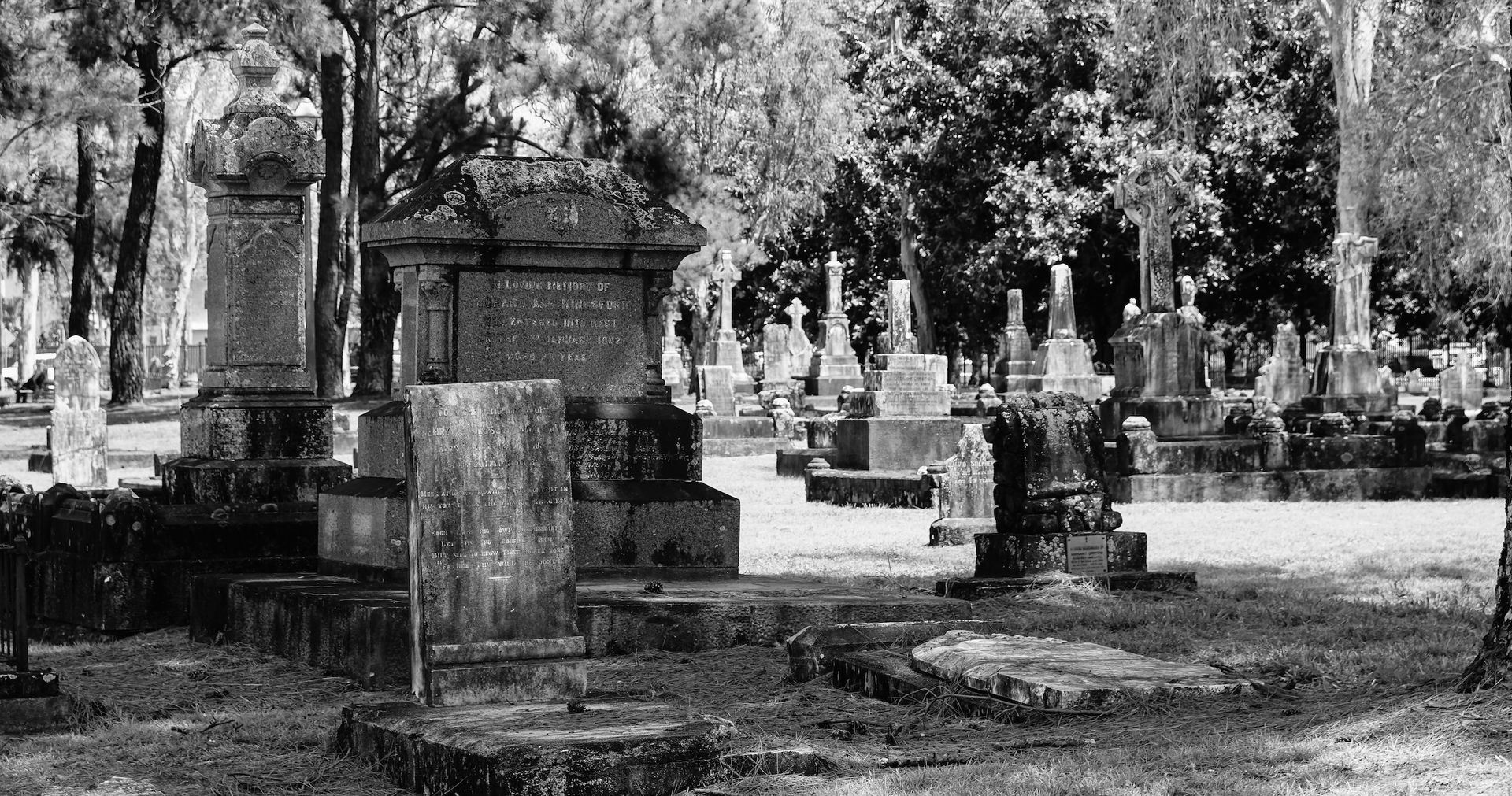
Tucked away from the modern city hub bub, this heritage-listed site serves as Cairns' oldest surviving burial ground, operating actively from 1877 until its restriction to family plots in 1916 (and official closure in 1954). Rather than a generic old graveyard, it is a dense, open-air historical archive mapping the brutal realities of early North Queensland life.
The Highlights to Feature:
- The 1888/1990 Interpretive Rotunda: Located right in the center of the cemetery, this structure houses a comprehensive, reconstructed index of the 2,500 pioneers interments.
- High-Profile Historical Entities: Look for the headstones of Dr. Edward Albert Koch (the medical pioneer who fought regional tropical diseases) and Richard Ash Kingsford, the very first mayor of Cairns.
- The ANZAC Trail: Keep an eye out for the final resting places and commemorative headstones of early local soldiers, including the Hides Brothers (Privates John and Robert Hides).
- Modern Interactive Tech: Visitors can scan the digital Quick Response (QR) codes installed across the grounds with their smartphones to pull up real-time biographical data on the early gold miners, Malay pearlers, and railway workers resting there.
2. Grafton Street: The Lost Footprint of Lit Sung Goong
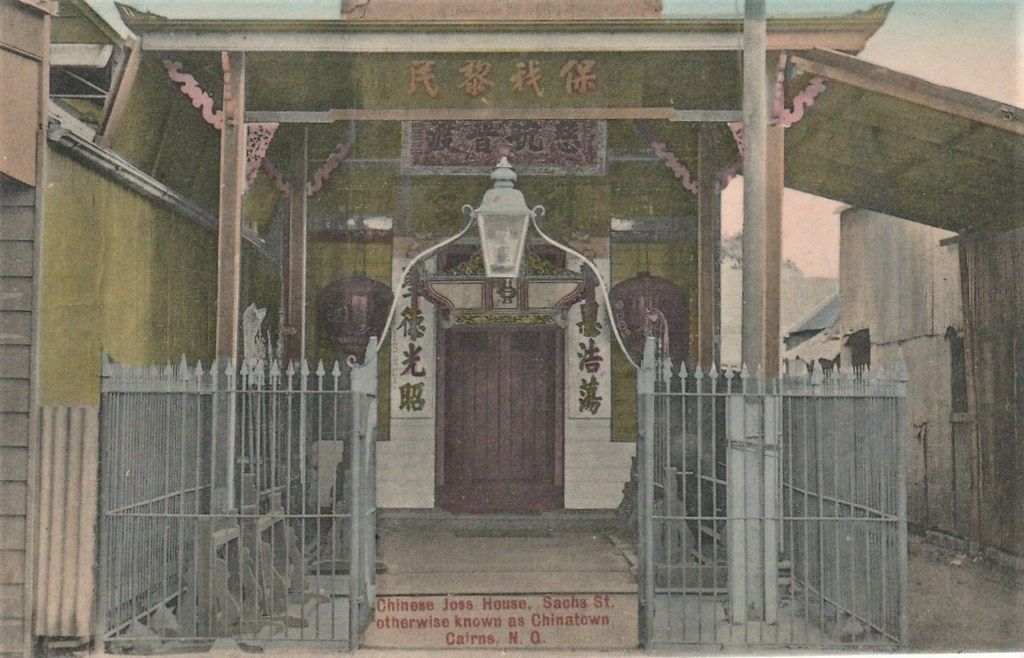
Long before it became a bustling retail street, Grafton Street (originally named Sachs Street) was the vibrant, self-contained heart of Cairns' 19th-century Chinese immigrant community. Fueled by the 1876 gold rush and the 1881 Hap Wah sugar plantation boom, this area evolved into a bustling quarter of merchant shops, boarding houses, and community sanctuaries.
The Highlights to Feature:
- The Temple Footprint: Between Shields Street and Spence Street sits the exact geographic zone of the famous Lit Sung Goong Temple, which served as a spiritual and social anchor for Chinese regional pioneers from 1886 to 1966.
- Hidden Heritage Signs: While the physical timber temple is gone, travelers can take a completely free self-guided walk to locate the civic heritage plaques detailing how early merchants organized opposite sides of the street based on their home provinces.
- The Custodian Artifacts: Note in your layout that the physical treasures salvaged from the site—including a beautifully carved 19th-century temple altar and a restored historic temple drum—are safely preserved by CADCAI (Cairns & District Chinese Association Inc.) for future public museum display.
3. Jack Barnes Bicentennial Mangrove Boardwalk:
The Hidden Canopy
Located just a short detour toward the airport on Airport Avenue in Aeroglen, this incredible free eco-walk is routinely missed by travelers rushing to check in for flights. Officially opened on February 27, 1988, to mark the Australian Bicentennial, it makes one of the region’s most challenging, vital ecosystems completely accessible without spending a cent.
The Highlights to Feature:
- The Namesake Legend: The boardwalk is named in honour of Dr. Jack Barnes, the legendary Cairns physician who successfully identified the tiny, venomous Carukia barnesi (Irukandji) jellyfish.
- The Northern Loop: While structural restorations are a dynamic local project, the pristine Northern Boardwalk circuit takes you on an easy, 30-minute elevated loop directly over Little Barron Creek.
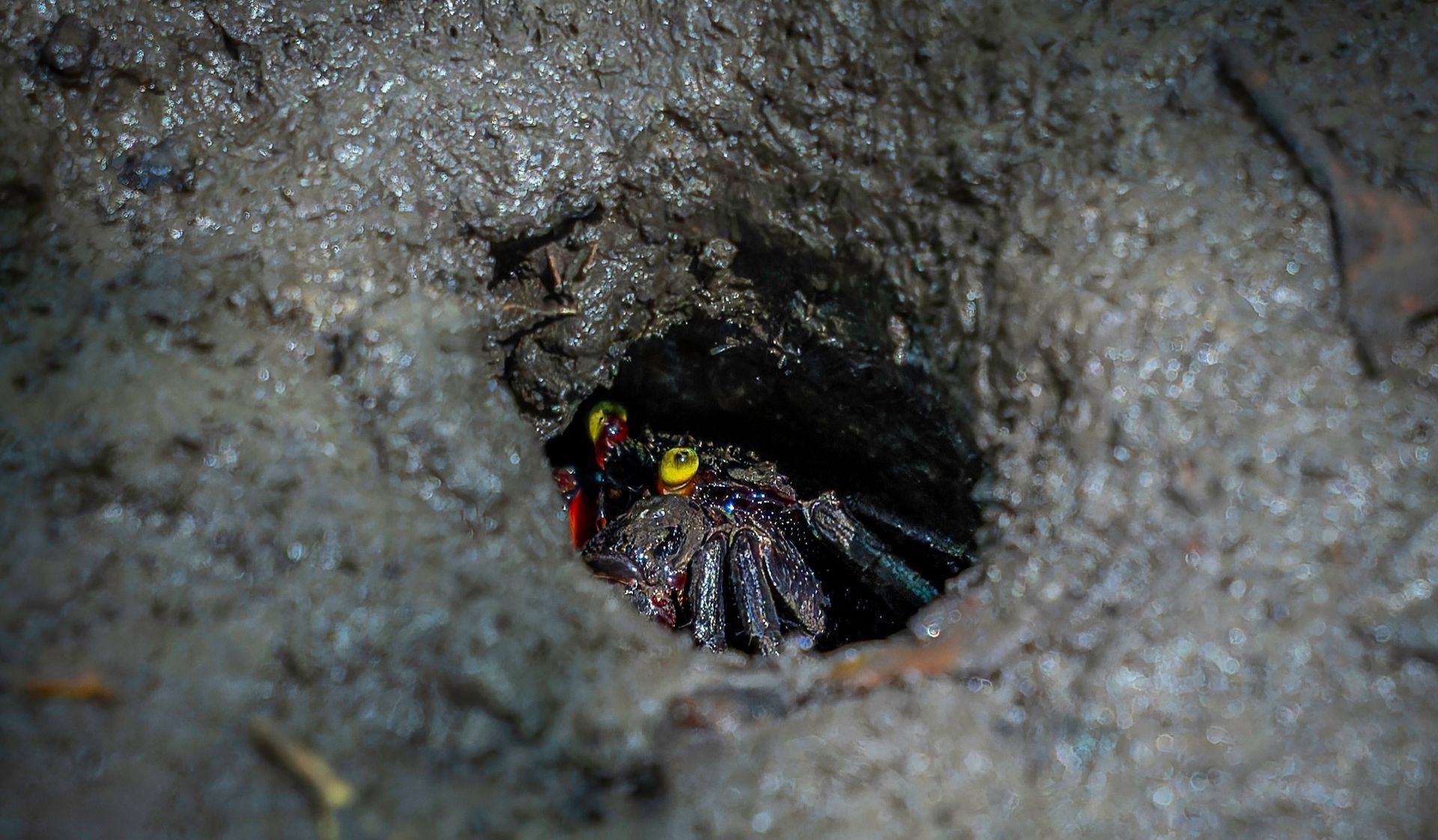
- The Living Nursery: The roots below the boardwalk plunge into tidal mud that can reach up to 8 meters deep. Walking softly allows you to hear the constant "popping" and clicking sounds of thousands of fiddler crabs, mudskippers, and juvenile marine life utilizing the thick roots as a predatory shield.
- A Botanical Rarity: This specific intertidal zone is home to one of the world's rarest and most striking mangrove species: the haines orange mangrove.
Local Pro-Tip: This free walk is an absolute powerhouse during a rainy Green Season morning. The overcast skies block out the harsh tropical glare, cooling the canopy and bringing out the local birdlife in droves—just make sure to pack your insect repellent!