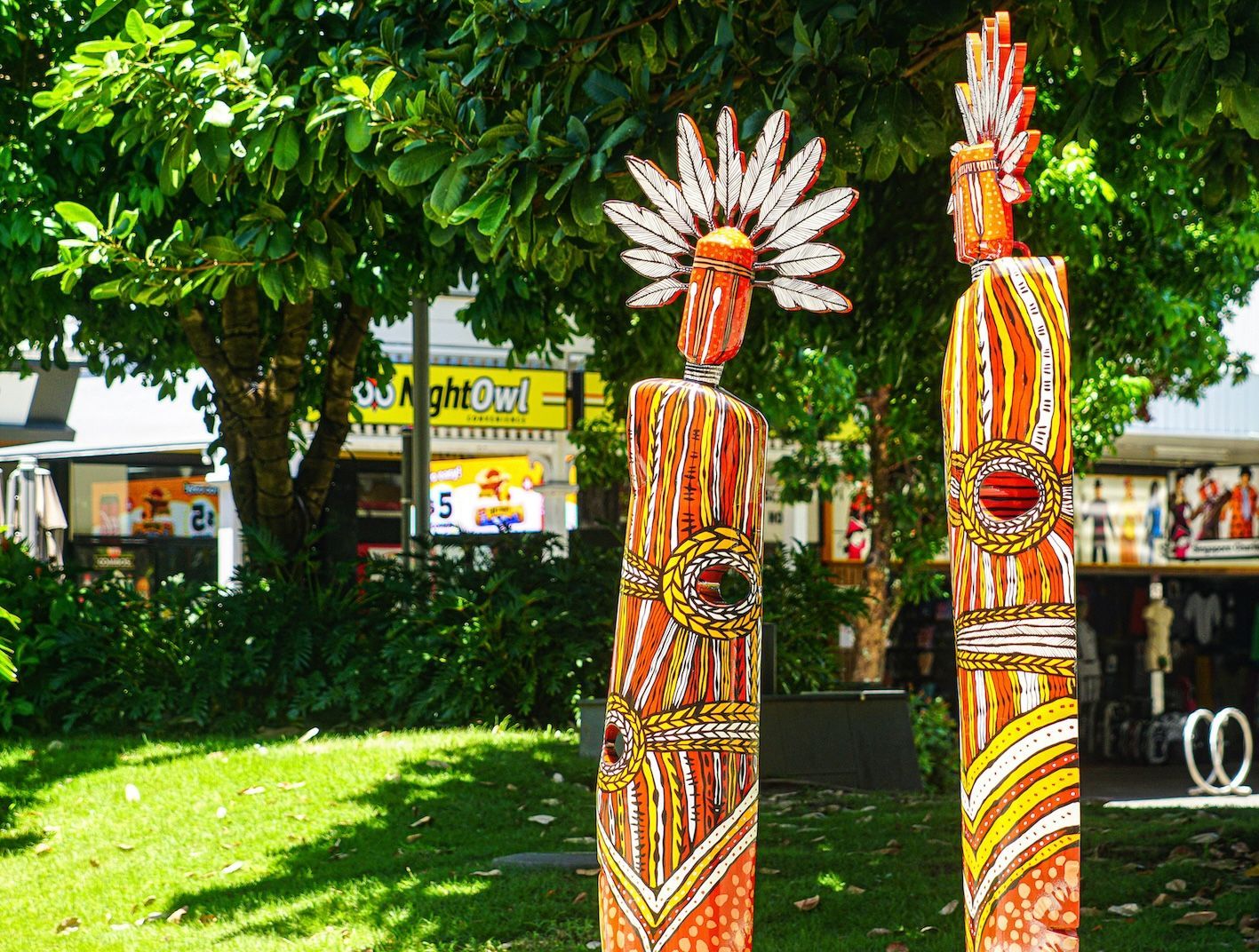
Cairns Waterfront: 150 Years on Trinity Inlet
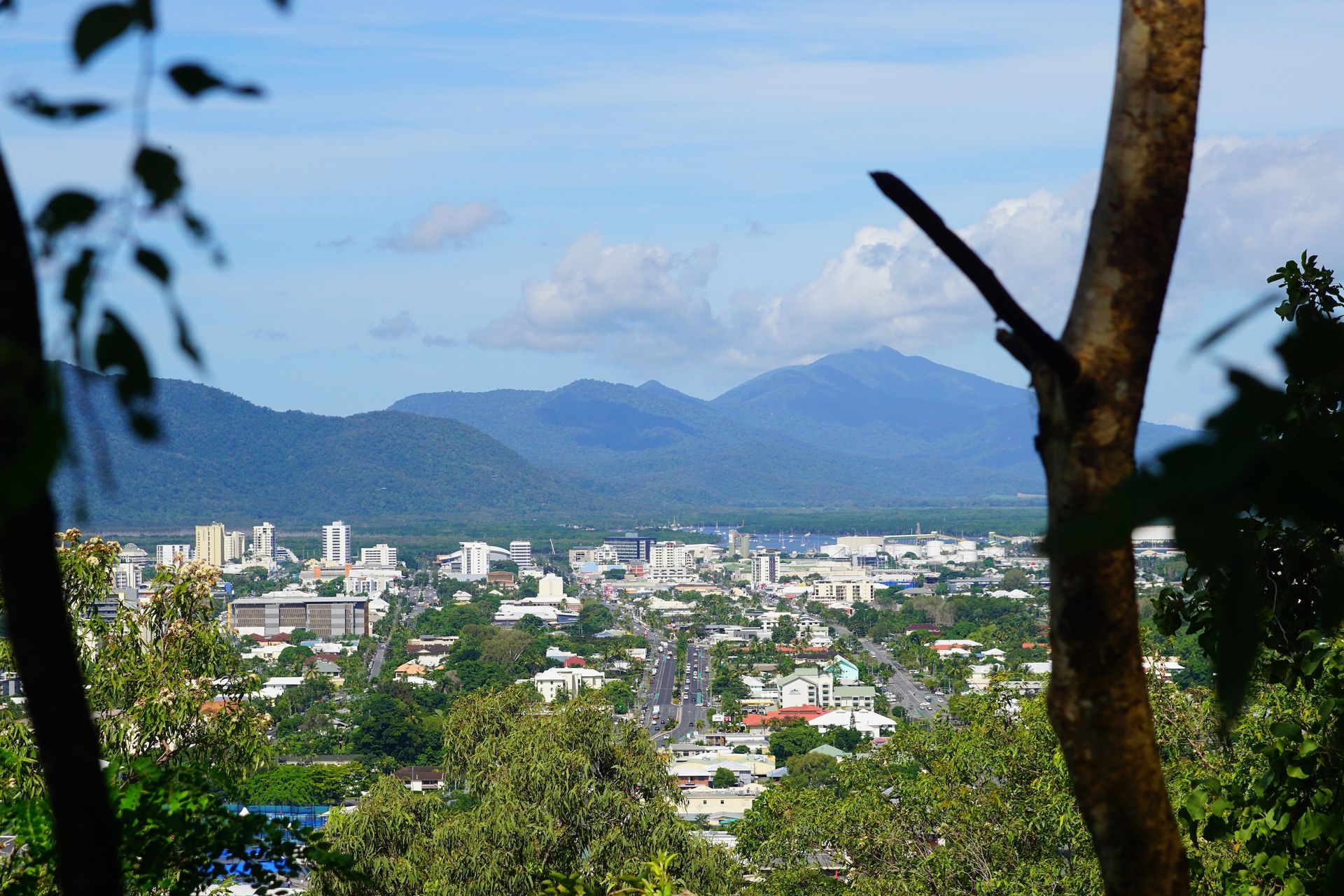
Cairns celebrates its 150th sesquicentennial anniversary in October 2026, marking 150 years since its official founding on 6 October 1876. The historic waterfront along Trinity Inlet and Wharf Street serves as the focal point for understanding the city's evolution.
The body content of your post goes here. To edit this text, click on it and delete this default text and start typing your own or paste your own from a different source.
1. Deep Indigenous Roots: Gimuy and Trinity Inlet
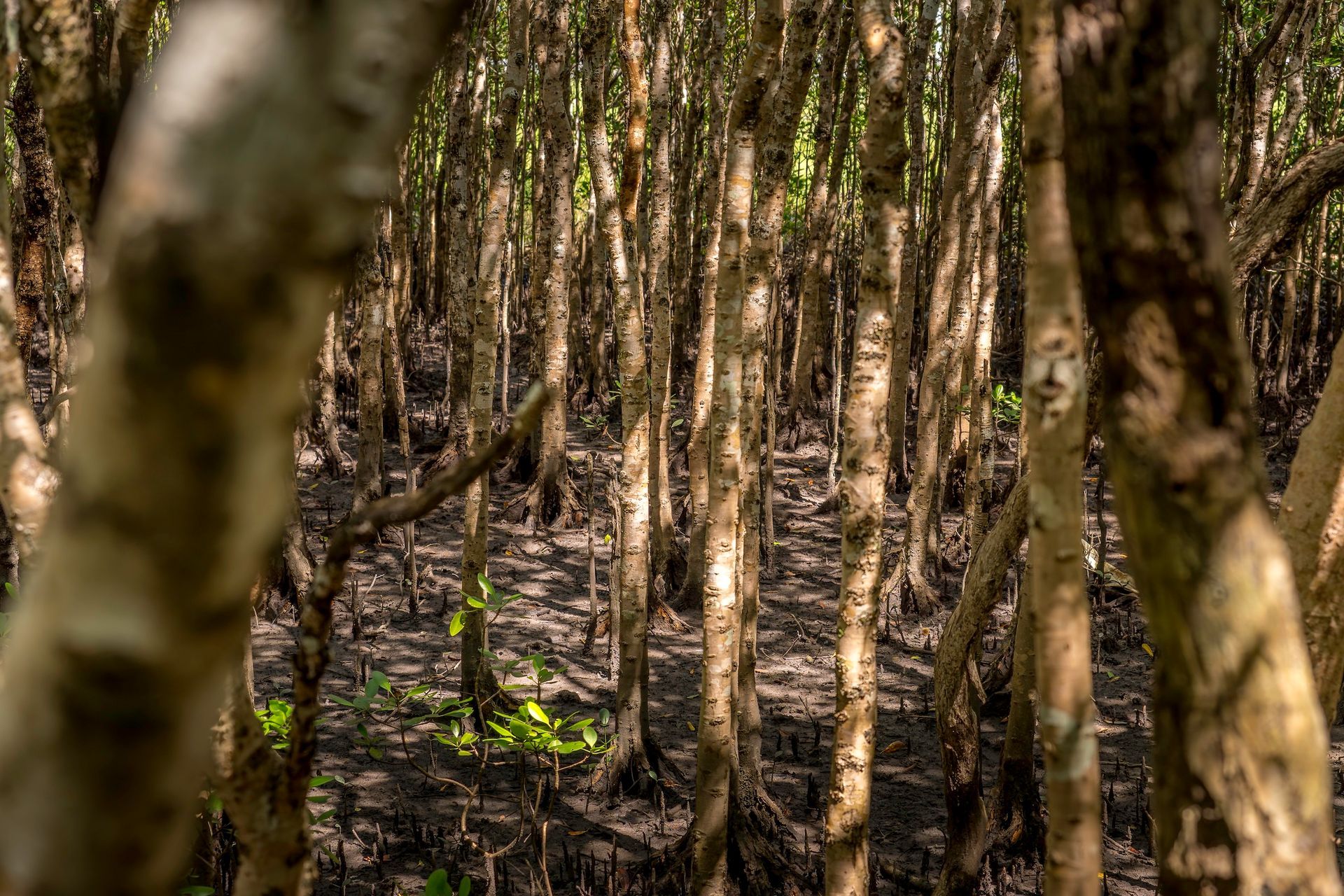
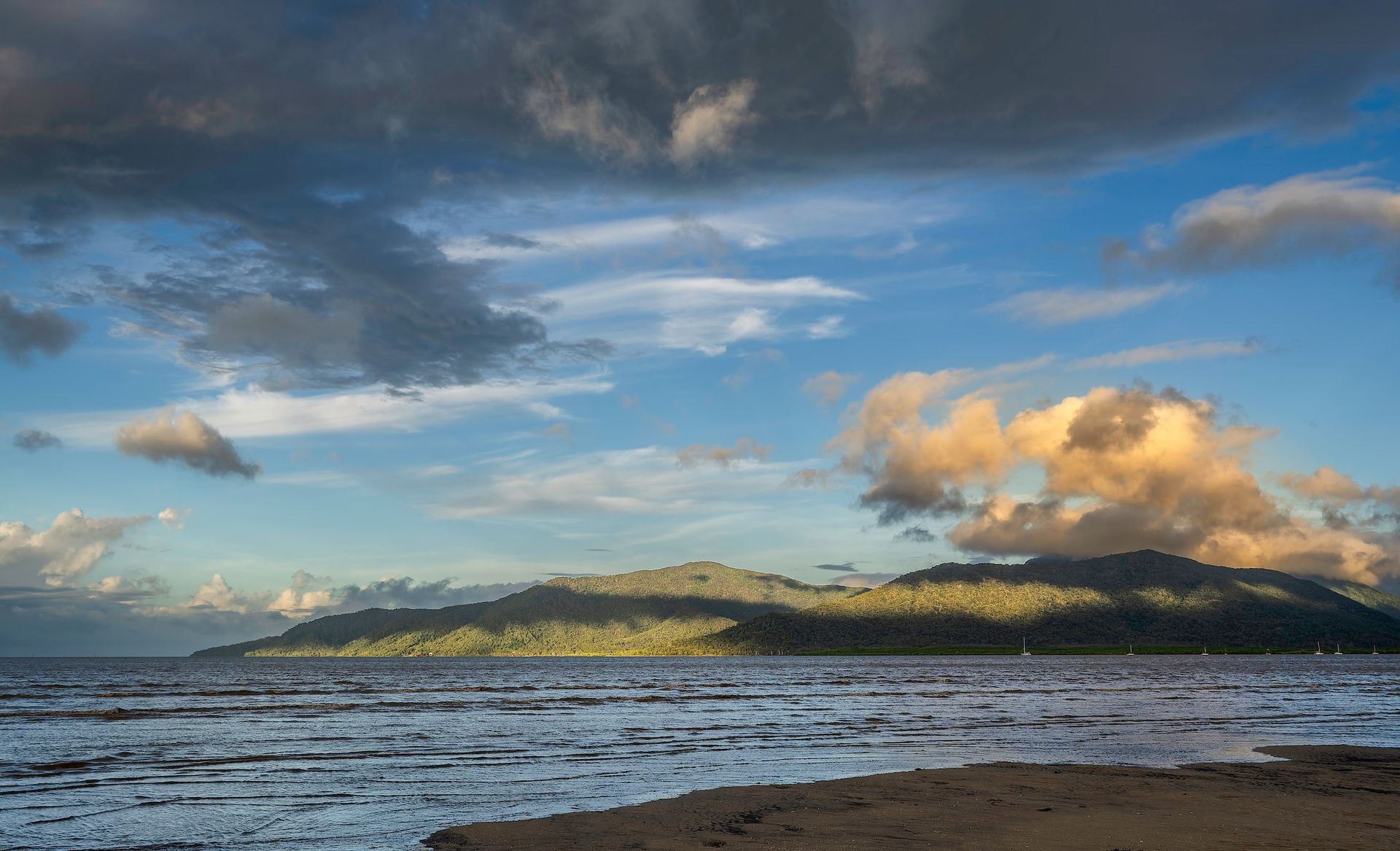
Long before European vessels navigated the waters of Far North Queensland, the tidal estuaries, mangroves, and inlet were stewarded by the Gimuy Walubara Yidinji people. In the native Yidiny language, the area is known as Gimuy, named after the slippery blue fig tree (Ficus albipila) that once grew abundantly across the floodplain.
The maritime history of the bay took on a new layer in June 1770, when Captain James Cook sailed HMB Endeavourinto the inlet. Arriving on the Christian festival day of Trinity Sunday, Cook named the body of water Trinity Inlet before continuing north toward the Great Barrier Reef.
2. From Gold-Rush Port to Railway Hub (1876–1885)
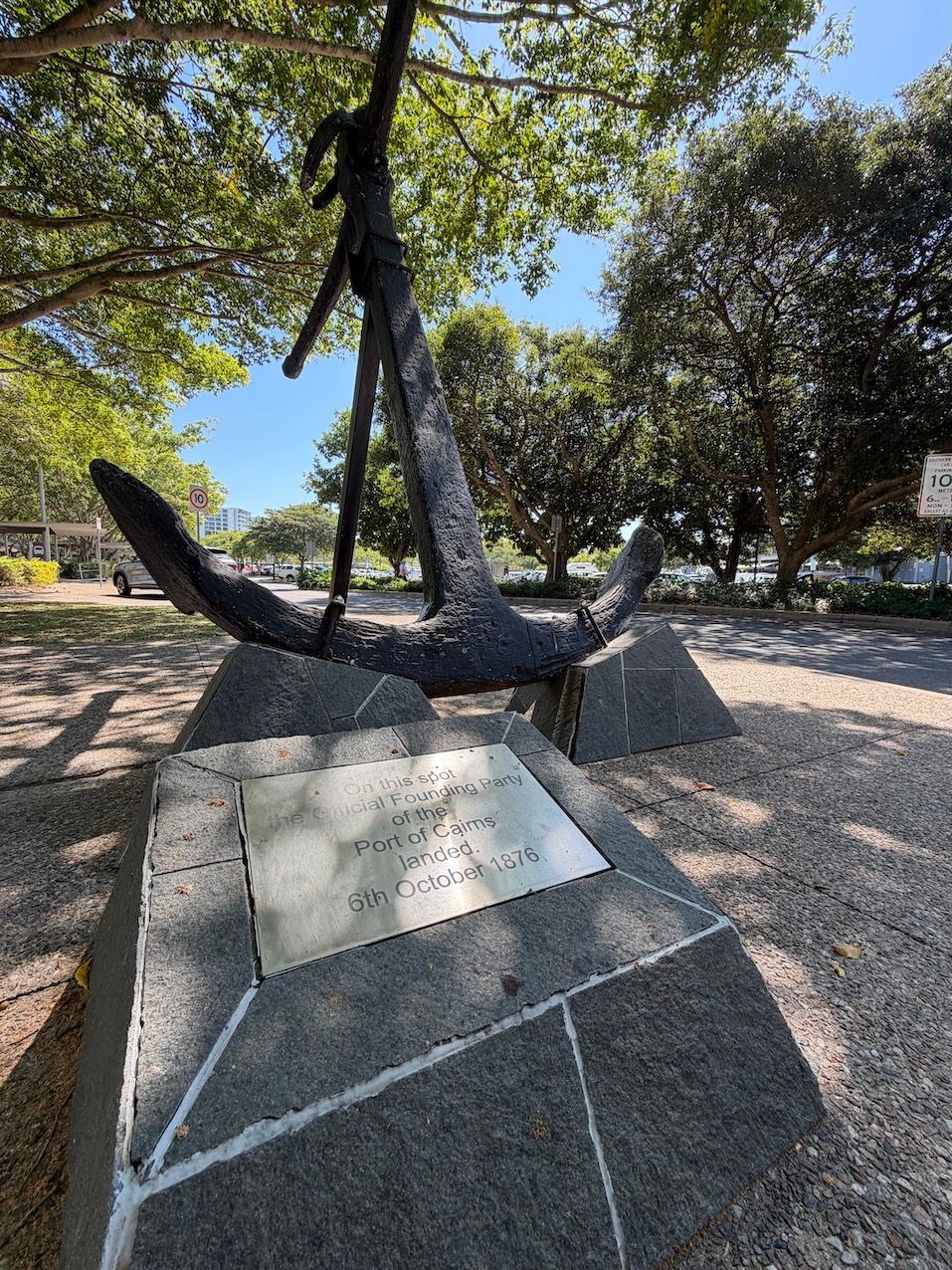
The modern city of Cairns was officially established on 6 October 1876 to serve as an official port town supporting miners heading inland toward the Hodgkinson Goldfields.
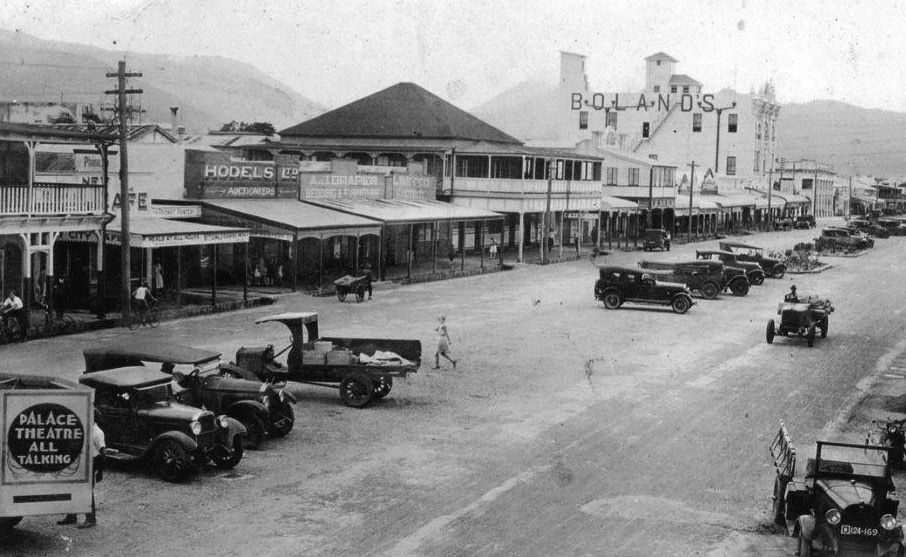
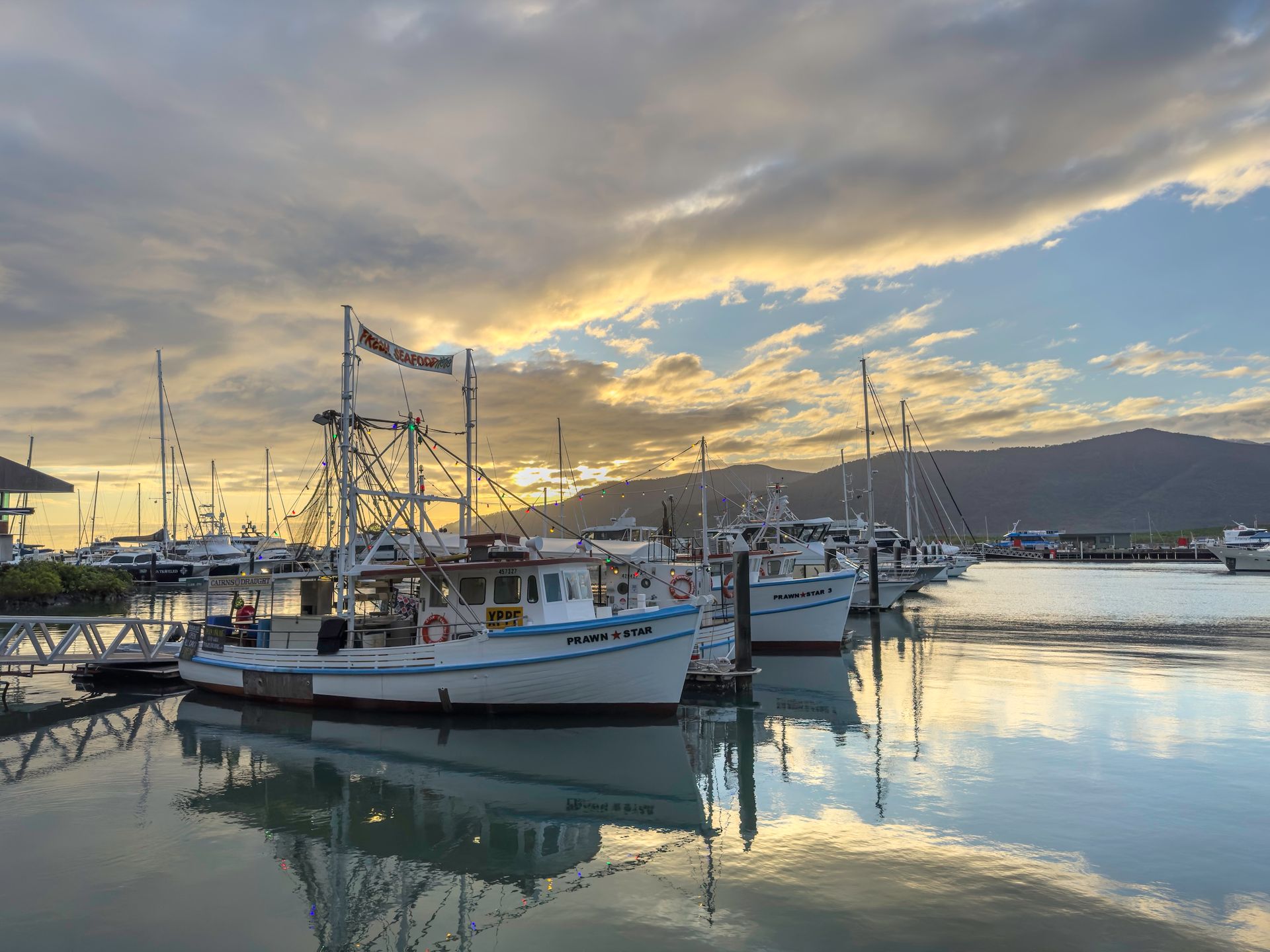
As maritime traffic increased along Trinity Inlet, the town's industrial core shifted toward the Wharf Street precinct. The strategic importance of the waterfront surged in 1885, following the government announcement designating Cairns—rather than neighboring Port Douglas—as the coastal terminus for the Herberton railway line. This crucial decision transformed Wharf Street into a bustling trade gateway for timber, minerals, and sugar.
3. The 2026 Sesquicentennial Route: Walking Wharf Street Today
As Cairns marks its 150-year milestone in October 2026, the waterfront heritage route offers a clear timeline of the city's growth.
Key Stopover Entities & Historic Milestones:
- Trinity Inlet Foreshore: Observe the natural mangroves where the saltwater's of Gimuy meet the coral sea.
- Wharf Street Precinct: Walk past timber wharves and heritage-listed structures that expanded following the 1885 railway declaration.
- The 1876 Foundation Point: Stand near the historic landing sites where the first official port survey took place in October 1876.
How to Book a Guided History Tour
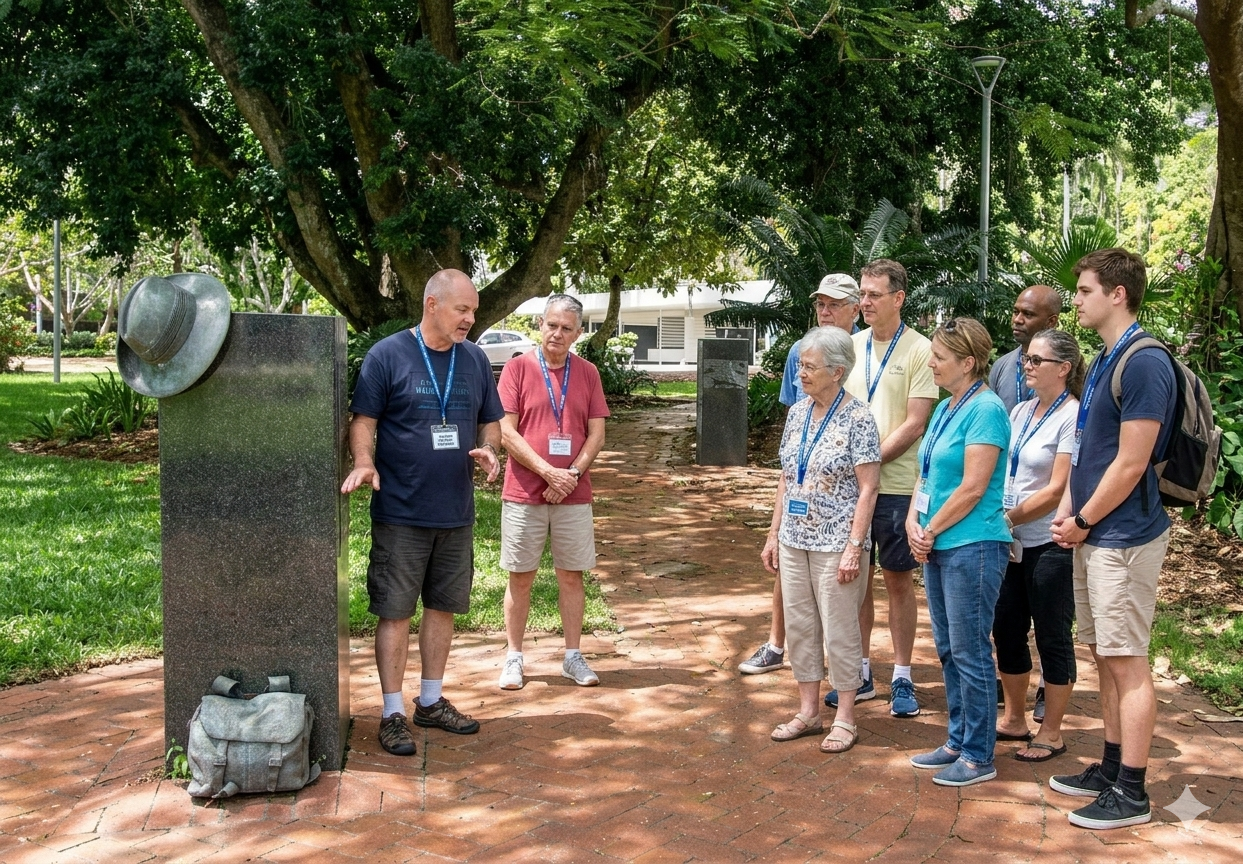
Exploring Cairns with a local historian provides contextual storytelling beyond standard information boards. To book a guided walking tour focused on the colourful history of Cairns, just click on the button below.